

Innovative Applications of Pneumatic Conveying Pumps in Iraq for Gypsum Powder Processing

In recent years, the construction and building materials industry has witnessed a significant transformation with the adoption of advanced technologies. One such innovation is the utilization of pneumatic conveying pumps in gypsum powder processing, particularly in regions like Iraq where the demand for efficient and sustainable industrial solutions is on the rise. This article explores the innovative applications of pneusumatic conveying pumps in the context of gypsum powder processing in Iraq.
The Importance of Gypsum Powder Processing
Gypsum powder, a critical component in the manufacturing of plaster, drywall, and various other building materials, plays a pivotal role in the construction industry. Its production involves mining gypsum ore, crushing it into smaller particles, and then grinding it into a fine powder. Traditionally, this process has been labor-intensive and prone to inefficiencies. However, advancements in technology have introduced more effective methods, one of which is the use of pneumatic conveying pumps.
What Are Pneumatic Conveying Pumps?
Pneumatic conveying pumps are devices that use air pressure to transport materials through a network of pipes. These pumps eliminate the need for mechanical conveyors and offer several advantages including reduced maintenance, lower energy consumption, and enhanced safety. They are ideally suited for handling bulk materials like gypsum powder, which can be abrasive and challenging to manage with traditional equipment.
Innovations in Pneumatic Conveying Systems
1. Energy Efficiency
One of the most notable innovations in pneumatic conveying pumps is their energy efficiency. Modern systems are designed to optimize air flow and reduce power consumption, making them an ideal choice for industries looking to cut down on operational costs. In Iraq, where energy resources are precious, this aspect is particularly beneficial.
2. Dust Control and Safety
Another significant innovation is the improvement in dust control mechanisms. Pneumatic conveying systems now come equipped with advanced filters and enclosed pipelines that minimize dust emissions. This not only ensures a safer working environment but also aligns with environmental regulations aimed at reducing air pollution.
3. Material Handling Capability
Modern pneumatic conveying pumps have been engineered to handle a wider range of materials, including those with varying densities and particle sizes. For gypsum powder processing, this means that even the finest particles can be efficiently transported without clogging or loss of material.
4. Integration with Automated Systems
The integration of pneumatic conveying pumps with automated control systems represents another leap forward. These systems can be programmed to adjust airflow and pressure automatically based on real-time data, ensuring optimal performance. This level of automation enhances productivity and reduces the need for manual intervention.
5. Customization and Scalability
Manufacturers now offer customizable pneumatic conveying systems that can be tailored to meet specific industrial requirements. Whether it's a small-scale operation or a large industrial plant, these systems can be scaled up or down as needed, providing flexibility and adaptability.
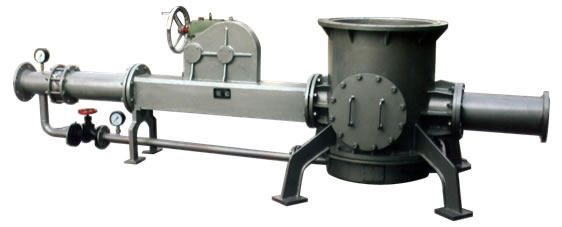
Applications in Iraq
In Iraq, where the construction industry is experiencing rapid growth, the adoption of pneumatic conveying pumps in gypsum powder processing presents numerous opportunities:
1. Enhanced Production Efficiency
By incorporating pneumatic conveying pumps, gypsum powder processing plants in Iraq can significantly boost their production efficiency. The reduction in manual handling and the automation of material transfer processes contribute to faster production cycles and increased output.
2. Cost Savings
The energy-efficient nature of these pumps translates into substantial cost savings on electricity bills. Additionally, the reduced wear and tear on machinery lead to lower maintenance costs, further enhancing the economic viability of these operations.
3. Environmental Benefits
With stricter environmental regulations being implemented globally, pneumatic conveying systems help Iraqi industries comply with these standards by minimizing dust emissions and reducing the carbon footprint of their operations.
4. Improved Working Conditions
Safety is a paramount concern in any industrial setting. The use of pneumatic conveying pumps reduces the risk of accidents associated with manual material handling and creates a cleaner, safer work environment for employees.
5. Scalability for Future Growth
As Iraq continues to develop its infrastructure, the demand for high-quality building materials will only increase. Pneumatic conveying systems provide a scalable solution that can grow alongside the industry, ensuring that gypsum powder processors can meet future demands without compromising on efficiency or quality.
Case Studies
Several case studies highlight the successful implementation of pneumatic conveying pumps in Iraq. One notable example is the Al-Douh Industrial Complex, where the integration of these pumps has led to a 30% increase in production capacity and a 25% reduction in operational costs within the first year. Another example is the Baghdad Gypsum Plant, which reported significant improvements in dust control and worker safety following the adoption of pneumatic conveying technology.
Conclusion
The innovative applications of pneumatic conveying pumps in gypsum powder processing represent a significant advancement for the construction and building materials industry in Iraq. By enhancing efficiency, reducing costs, improving safety, and supporting environmental sustainability, these systems offer a comprehensive solution for modern industrial challenges. As Iraq continues to develop its infrastructure and expand its industrial capabilities, the adoption of such cutting-edge technologies will undoubtedly play a crucial role in driving growth and development.