

Strengthening China through Collective Efforts in the Application of Cement Powder Pneumatic Conveying

Introduction
In recent years, China has made significant strides in its infrastructure development. As the world's second-largest economy, the nation's rapid urbanization and industrialization have necessitated innovative solutions to meet the demands of construction and manufacturing sectors. One such innovation is the application of cement powder pneumatic conveying technology. This method not only enhances efficiency but also contributes to environmental sustainability. By collectively embracing this technology, China can further strengthen its position as a global leader in construction and engineering.
The Importance of Cement Powder Pneumatic Conveying
Enhancing Efficiency
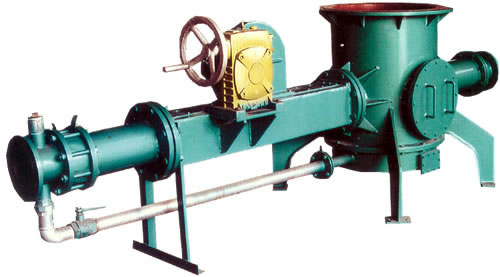
Cement powder pneumatic conveying is a method that utilizes air pressure to transport cement powder from one location to another. Unlike traditional mechanical conveying systems, which rely on belts or chains, pneumatic systems are faster and more efficient. They reduce the need for manual labor and minimize the risk of contamination, ensuring high-quality cement delivery.
Environmental Benefits
One of the most significant advantages of pneumatic conveying is its reduced environmental impact. Traditional methods often involve the use of heavy machinery and vehicles, which contribute to air pollution and carbon emissions. In contrast, pneumatic systems operate with minimal energy consumption and produce fewer emissions. Additionally, they reduce dust and particulate matter emissions, contributing to improved air quality.
Cost Savings
While the initial investment in pneumatic conveying systems may be higher than traditional methods, the long-term cost savings are substantial. Reduced maintenance costs, lower energy consumption, and decreased labor expenses all contribute to a more cost-effective operation. Furthermore, the efficiency of pneumatic systems translates into shorter project timelines, allowing businesses to take on more projects and increase their revenue streams.
Collective Efforts in Implementation
To fully harness the benefits of cement powder pneumatic conveying, it is essential for all stakeholders in the construction and manufacturing industries to collaborate. Here are some key areas where collective efforts can make a significant impact:
Research and Development
Government agencies, academic institutions, and private companies should invest in R\u0026D to further improve pneumatic conveying technology. Innovations in system design, materials, and automation can lead to even greater efficiency and cost savings. Collaborative research initiatives can pool resources and expertise, accelerating technological advancements.
Policy and Regulation
The Chinese government plays a crucial role in promoting sustainable practices. By implementing policies that incentivize the adoption of pneumatic conveying systems, authorities can encourage widespread use across the industry. Subsidies, tax breaks, and grants for companies investing in green technology can drive innovation and adoption.
Industry Collaboration
Construction and manufacturing companies should work together to share best practices and success stories regarding pneumatic conveying. Forming industry consortiums or partnerships can facilitate knowledge exchange and foster a culture of continuous improvement. Additionally, collaborative procurement strategies can help reduce costs and ensure access to high-quality equipment.
Education and Training
To maximize the benefits of pneumatic conveying, it is vital to educate and train workers on the technology. Vocational schools, technical colleges, and continuing education programs should include courses on pneumatic systems. Well-trained personnel can operate and maintain these systems more effectively, ensuring optimal performance and longevity.
Public Awareness
Raising public awareness about the benefits of pneumatic conveying can garner support for its implementation. Media campaigns, industry conferences, and public exhibitions can showcase the technology's advantages and success stories. Engaging the community in discussions about sustainable construction practices can build a broader consensus around its adoption.
Case Studies and Success Stories
Several companies in China have already embraced cement powder pneumatic conveying with remarkable results. For instance, a major construction firm in Shanghai reported a 30% reduction in project completion time after switching to pneumatic systems. Another company in Guangzhou saw a 20% decrease in operational costs within the first year of implementation. These success stories serve as powerful testimonials to the technology's potential.
Conclusion
The application of cement powder pneumatic conveying holds immense promise for strengthening China's construction and manufacturing sectors. By enhancing efficiency, reducing environmental impact, and cutting costs, this technology can contribute to the nation's continued growth and development. Through collective efforts in research, policy-making, industry collaboration, education, and public awareness, China can lead the way in adopting sustainable practices. As the country looks towards a future of innovation and progress, cement powder pneumatic conveying stands out as a key tool in building a stronger, greener tomorrow.