

Henan Low Pressure Pneumatic Conveying Pump Wins by Quality and Helps the Rise of Madeira Calcium Powder Industry
The manufacturing growth in Madeira has had a significant impact on the demand for industrial products. With the expansion of industries, there has been an increase in the production and consumption of various goods such as textiles, electronics, and machinery. This growth has led to an increased need for raw materials, components, and finished products within the region. As a result, local suppliers and manufacturers have had to expand their operations to meet this rising demand. Additionally, the growth has attracted investments in technology and innovation, further enhancing the efficiency and productivity of the manufacturing sector, which continues to drive the demand for high-quality industrial products.

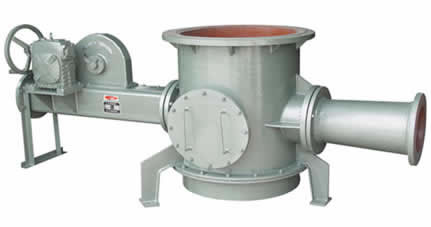
The diagnosis and troubleshooting of low-and medium-pressure pneumatic conveying pump failures involve a thorough understanding of the operational principles and potential issues associated with these systems. Common symptoms that may indicate a malfunction include reduced efficiency in the pumping action, noise or vibration during operation, leaks around the seals or joints, or inconsistencies in material flow rates. To address these issues effectively, a systematic approach is necessary:
1. **Visual Inspection**: Begin by visually examining the entire system for any obvious signs of damage or wear, such as cracks in hoses, deformed fittings, or buildup of debris. Check all connections and seals for tightness and integrity.
2. **Auscultation and Vibration Analysis**: Listen for unusual sounds like whistling, hissing, or clanking, which could suggest air leaks or blockages. Monitor vibrations, which can indicate unbalanced rotors or mechanical looseness. Use vibration analysis tools if available.
3. **Leak Detection**: Inspect for leaks using visual cues, smell (air and powder leakage can be identified by distinctive odors), or special leak detection equipment. Pay particular attention to areas where high pressure meets low pressure, such as at the inlet and outlet ports and the pump casing.
4. **Pressure and Flow Rate Measurements**: Record pressure readings at various points along the conveying line. Compare these against normal operating parameters. If there are significant discrepancies, it might indicate a blockage or insufficient sealing. Similarly, measure and monitor the flow rate; deviations can signify a problem with the pump's performance or the pipeline itself.
5. **Material Analysis**: Examine the conveyed material to ensure it hasn't hardened or clogged within the system. Changes in particle size or shape can affect its flowability.
6. **Component Testing**: Test individual components, including valves, motors, and sensors, to determine their functionality. This may involve running diagnostic programs or replacing suspect parts on a trial basis.
Once specific problems have been identified, take appropriate measures to correct them. For example:
- **Air Leaks**: Ensure all airtight fittings are properly secured and replace damaged gaskets or seals promptly.
- **Blockages**: Clear obstructions with compressed air, mechanical devices, or manual methods, ensuring all particles are removed from the system.
- **Mechanical Wear**: Replace worn-out parts such as bearings, impellers, or rotors according to the manufacturer's specifications.
- **Improper Operation**: Review and adjust operating parameters like pressure and speed to align with recommended settings.
Regular maintenance schedules and careful monitoring can significantly reduce the likelihood of low-and medium-pressure pneumatic conveying pump failure. Always refer to the manufacturer's instructions and consult qualified engineers for complex troubleshooting or repair procedures.
Generally speaking enhancing the environmental governance of calcium powder in Madeira is an important task which needs to be achieved through various means such as optimizing the process flow adopting advanced equipment and technology and strict link control At the same time improving the technical content of low-pressure pneumatic conveying pumps is also a key link in the environmental governance of calcium powder Only by solving these problems can we truly improve the efficiency of environmental protection transportation of calcium powder promote industrial development Quality is consistent the foundation of brand Word of mouth is better than anything Working together best wishes to ZHONGYUAN Madeira low-pressure pneumatic conveying pump customers May our partners have booming businesses and bright prospects