

The Henan Brand Powder Material Pneumatic Conveying Pump with a Good Reputation Boosts the Coke Powder Industry in Ethiopia
The long-term economic trend in Ethiopia is characterized by a focus on industrialization and agricultural modernization. The country has made significant strides in infrastructure development, with notable investments in railways and hydroelectric dams aimed at boosting manufacturing and exports. Ethiopia's potential risks include the vulnerability of its economy to climate change, food insecurity, and political instability. Additionally, there are concerns about the sustainability of its rapid urbanization and the ability to create enough jobs to keep pace with population growth. Ethiopia must also contend with the challenge of diversifying its economy beyond agriculture and managing external debt levels as it continues to borrow for development projects.

In English:
Maintenance and Management Strategies for Dust-Free Conveying Systems in Ethiopia
The dust-free conveying system is crucial for the efficient handling of charcoal powder, ensuring both operational safety and environmental protection in Ethiopia. Proper maintenance is key to avoiding system failures and prolonging its lifespan. Here are some effective strategies for maintaining and managing such systems:
1. Regular Inspection: Routinely check all components, including belts, pulleys, rollers, and motors, to identify any signs of wear or damage. Timely repairs or replacements can prevent system breakdowns.
2. Cleaning Protocols: Establish a strict cleaning regimen to remove accumulated dust from the conveyor surfaces and mechanisms. Frequent cleaning minimizes the risk of clogging and extends the life of the equipment.
3. Lubrication: Regularly lubricate moving parts to reduce friction and prevent overheating. Use the appropriate grease or oil recommended by the manufacturer.
4. Training Personnel: Train operators and maintenance staff on proper handling and preventive maintenance practices. This ensures that the conveying system is operated correctly and maintained effectively.
5. Monitoring Systems: Implement monitoring tools and software to track performance indicators like belt speed, load capacity, and motor temperature. Early detection of anomalies allows for prompt action.
6. Emergency Response Plans: Develop clear protocols for handling unexpected incidents such as fires or power outages. These plans will guide staff in quickly restoring operations safely.
7. Safety Standards: Ensure adherence to local safety regulations and standards. Regularly update procedures based on new guidelines or technological advancements.
By implementing these strategies, Ethiopian facilities can enhance their conveying system's reliability, efficiency, and overall performance. Continuous improvement through regular audits and feedback loops further strengthens the system's robustness and adaptability.
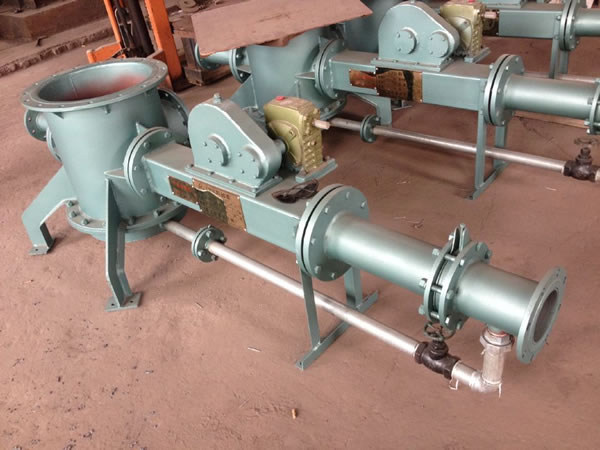
The design and optimization of pneumatic conveying pumps for ultra-fine powder materials involve several key aspects to ensure efficient and reliable operations. These systems are engineered to handle the unique challenges presented by fine powders, including their tendency to cake, bridge, or segregate during transportation.
One critical aspect is the use of high-quality, low-shear conveying air to minimize the agglomeration of particles. This can be achieved through the integration of a precise metering device that delivers a controlled volume of air to the system. Additionally, the conveying pipeline must be smooth with a minimum number of bends to avoid particle damage and facilitate continuous flow.
Another consideration is the selection of a pump that can generate sufficient pressure to overcome pipeline resistance while preventing excessive wear on the conveying elements. The use of ceramic or polymer components can extend the service life where abrasive materials are concerned.
Furthermore, the incorporation of pulse dosing technology can help in controlling material segregation by intermittently injecting air pulses into the conveying stream. This technique helps to maintain a uniform mixture and prevent the build-up of static charge which can lead to electrostatic discharge issues.
Finally, the design should incorporate a robust separation unit at the end of the pipeline, such as cyclone separators or fabric filters, to effectively remove the conveyed powder from the airstream, ensuring that only purified air exits the system, reducing environmental impact.
In summary, the specialized design and optimization of pneumatic conveying pumps for ultra-fine powders require careful attention to material handling characteristics, the quality and control of conveying air, the durability and integrity of pipeline components, and the efficiency of separation mechanisms.
As the country's requirements for environmental protection and energy efficiency become increasingly stringent, future coke powder-related enterprises will place greater emphasis on process innovation and energy conservation. The emergence of new equipment such as pneumatic conveying pumps for powder materials undoubtedly brings new development opportunities for Ethiopian coke powder-related enterprises. Let us work together to create brilliance! Join hands and build dreams for the future. We wish ZHONGYUAN customers in Ethiopia for pneumatic conveying pumps for powder materials: Thank you for your companionship along the way. May our friendship last forever.