

The high quality and cost effective Henan low pressure pneumatic conveying pump provides wings for the soaring development of the Niger calcium powder industry
The demand for industrial products in Niger is growing, and technological innovation and industrial upgrading are crucial for meeting these needs. Niger's industry sector is primarily focused on agriculture, livestock, and mining. However, there is a need to develop new technologies to improve efficiency and productivity in these sectors.
In the agricultural sector, innovative techniques such as improved irrigation methods and crop varieties that are resistant to drought and disease could significantly enhance yields. For livestock production, technological advancements in animal health and genetics would lead to higher quality and quantity of meat and dairy products.
Mining operations can benefit from automation and robotic technology to increase safety and reduce manual labor. Additionally, utilizing advanced geological surveying methods can help identify new mineral deposits, which could diversify the country's resource base.
For industries not yet established in Niger, such as manufacturing and renewable energy, foreign investment and transfer of knowledge through partnerships are essential. By adopting international best practices and integrating cutting-edge technology, Niger can leapfrog to more sustainable and efficient industrial practices.
Ultimately, Niger must invest in its human capital by providing education and training programs that equip its workforce with the necessary skills to operate complex machinery and utilize new technologies effectively. This will ensure that technological innovation leads to meaningful economic growth and improves the standard of living for all citizens.
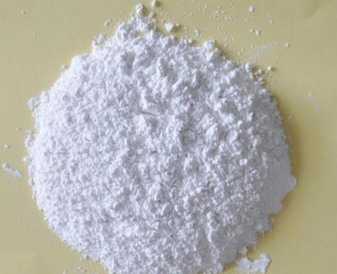
The characteristics and differences of calcium powder dust-free conveying in various regions of Niger can be summarized as follows:
In urban areas, due to the relatively high level of infrastructure development, calcium powder is often conveyed through closed pipelines or sealed containers. This approach minimizes exposure to air and reduces dust pollution during transportation. The conveyance systems are usually equipped with dust collection devices to ensure that any dust produced during operations is captured and managed efficiently.
In rural areas, however, the lack of advanced conveying infrastructure means that calcium powder may be transported using more traditional methods such as open trucks or wagons. These conveyances do not offer the same level of dust control, making them more susceptible to dust emission during transportation. As a result, environmental regulations in these areas focus on mitigating dust emissions by encouraging the use of coverings and other dust suppression techniques.
In mining regions, where calcium carbonate extraction occurs, specialized conveyors designed for handling bulk materials are prevalent. These conveyors are engineered to maintain a seal around the material being transported, preventing dust from escaping into the atmosphere. Additionally, they may include moisture control features to further reduce the risk of dust generation.
Finally, in storage facilities, the conveyance of calcium powder often involves automated pneumatic conveying systems or vacuum conveying technologies. Such systems provide complete dust isolation, ensuring that the calcium powder remains contained throughout the entire process, from storage to distribution.
In conclusion, while all regions strive for dust-free conveyance, their approaches vary due to differing infrastructural capabilities and environmental considerations. Urban areas prioritize dust reduction with modern conveyance methods, rural areas emphasize mitigation techniques, mining regions invest in specialized equipment, and storage facilities employ advanced technology to achieve complete dust containment.
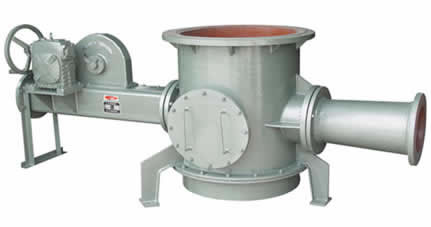
The influence of low-pressure pneumatic conveying pumps on the granulometry distribution of calcium powder in English:
The use of low-pressure pneumatic conveying pumps for handling calcium powder has a significant impact on the particle size distribution (PSD) of the material. The performance and efficiency of these pumps are largely determined by the characteristics of the particles being conveyed, including their size, shape, density, and flowability.
Particle size is one of the most critical parameters that affect the behavior of materials during pneumatic conveying. Calcium powder with a narrow PSD tends to have better flow properties and can be more efficiently transported through low-pressure conveying systems compared to materials with a wide PSD. This is because uniform particle sizes are less likely to cause segregation or bridging within the pump's pipeline, which can lead to blockages or reduced throughput.
Low-pressure conveying pumps are designed to handle a range of particle sizes, but they operate most efficiently when the particles fall within a specific size range. If the calcium powder contains a high proportion of coarse particles, it may require higher air velocities or pressure drops to maintain continuous flow, which can increase energy consumption and wear on the pump components. Conversely, if the powder consists predominantly of fine particles, there is a risk of excessive attrition or breakage during conveying, which can result in a change in the PSD and potential product quality issues.
To optimize the performance of low-pressure pneumatic conveying systems for calcium powder, it is essential to characterize the material's PSD accurately and ensure that the pump design matches the requirements of the conveyed material. By doing so, process engineers can select the appropriate conveying conditions, such as air velocity and pressure, to achieve efficient and reliable transport of the calcium powder while maintaining its integrity and purity.
In summary, the market prospects for low-pressure pneumatic conveying pumps for calcium powder in Niger are filled with opportunities and challenges. For enterprises in the low-pressure pneumatic conveying pump industry, it is essential to seize the growth opportunities presented by market demand while also preparing for technological and managerial innovations in low-pressure pneumatic conveying pumps. For the government, it is crucial to create favorable conditions for enterprise development and remain sensitive and responsive to changes in the policy environment. Only in this way can we promote the continuous development and prosperity of environmentally friendly conveying technologies for calcium powder and low-pressure pneumatic conveying pumps in Niger Focus on craftsmanship quality, set industry examples! Working together, ZHONGYUAN wishes the best for customers of low-pressure pneumatic conveying pumps in Niger: In teamwork, we collectively paint the most beautiful picture.