

Ghana kaolin short and medium distance transportation industry hope powder material pneumatic conveying pump
Ghana is poised for an industrial demand upgrade, with a strategic focus on securing global-leading products. This strategy aims to elevate Ghana's industrial sector by integrating advanced technologies and innovative practices. By leveraging local resources and tapping into international markets, Ghana seeks to establish itself as a prominent player in the global industrial landscape. The emphasis is on quality, efficiency, and sustainability to ensure competitive edge and long-term growth. This initiative is pivotal in driving economic diversification and fostering socio-economic development in Ghana.

The climate conditions in Ghana, characterized by high humidity and temperatures, can pose significant challenges to the dust control of kaolin (a type of clay) during its conveyance. The moisture in the air can lead to an increased tendency for clays to absorb water, which might cause caking and clogging within the conveying systems. Additionally, the heat can accelerate evaporation rates, potentially leading to a drier environment that increases the likelihood of dust generation.
To mitigate these issues, several solutions could be considered:
1. **Modified Conveying Systems**: Utilizing enclosed or semi-enclosed conveyors can reduce the amount of dust escaping into the environment. These systems are designed to minimize the contact between the product and ambient air, thus reducing the potential for dust creation.
2. **Moisture Control**: Adjusting the moisture content of the kaolin before conveyance can help prevent caking and dust generation. This may involve pre-treating the kaolin with small amounts of water or additives that aid in bonding the particles together, reducing the likelihood of airborne dust.
3. **Dusting Agents**: Applying dusting agents like calcium carbonate or polyacrylamide can help coat the kaolin particles, making them less prone to becoming airborne. These agents also serve as anti-caking agents, preventing the formation of lumps.
4. **Air Filtration Systems**: Installing air filtration systems at strategic points along the conveying line can capture and remove particulate matter before it escapes into the surrounding environment.
5. **Routine Maintenance**: Regular inspection and maintenance of the conveying system is essential to identify any leaks or malfunctions that might contribute to dust emissions. Timely repairs and adjustments will help ensure efficient and environmentally responsible operation.
By implementing these strategies, the impacts of Ghana's humid climate on kaolin conveyance can be mitigated, ensuring both the safety of workers and compliance with environmental regulations regarding dust emissions.
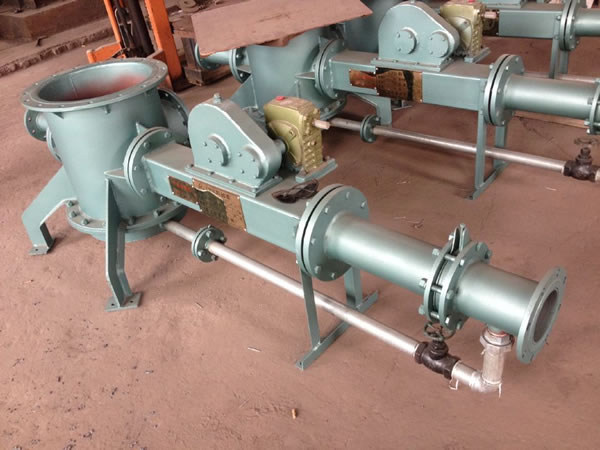
Title: Cost-Benefit Analysis of Powder Material Pneumatic Conveying Pump for the Transportation of Kaolin Clay
Introduction:
Pneumatic conveying, a method utilizing air as a medium to transport dry bulk materials over distances, has been widely adopted in industries due to its numerous advantages. The transportation of kaolin clay, a soft white clay with myriad industrial applications, is one area where pneumatic conveying systems are highly beneficial. This paper aims to conduct a cost-benefit analysis of using a powder material pneumatic conveying pump for the transportation of kaolin clay, focusing on the economic and operational aspects.
Cost Analysis:
A. Equipment and Installation Costs
The initial investment for purchasing and installing a pneumatic conveying system can be substantial, including the cost of the pneumatic pump, ducts, valves, and other necessary components. However, this upfront cost needs to be weighed against the long-term benefits of improved efficiency and reduced labor costs.
B. Energy Consumption
Energy is required to power the compressors that create the necessary air pressure for conveying the kaolin. While energy consumption can be a significant operating cost, it should be noted that modern pneumatic conveying systems have been designed to minimize energy usage through the implementation of efficient compressors and variable speed drives.
C. Maintenance and Repair Costs
Regular maintenance is essential to ensure the smooth operation and longevity of the pneumatic conveying system. This includes the cost of spare parts, regular inspections, and potential repairs. It is crucial to factor in these recurring expenses when calculating the total cost of ownership.
Benefit Analysis:
A. Labor Savings
Pneumatic conveying significantly reduces the need for manual handling of the kaolin, leading to significant labor savings. This translates into reduced labor costs and improved worker safety by eliminating the risks associated with manual handling of the powdered material.
B. Efficiency Enhancements
The use of pneumatic pumps for conveying kaolin improves process efficiency by reducing transportation time and increasing throughput. This leads to a quicker turnaround of products, which can enhance overall production capacity.
C. Reduced Waste and Product Quality Preservation
Pneumatic conveying minimizes product degradation and waste due to less handling and exposure to environmental factors like moisture and dust. This helps preserve product quality and reduces waste disposal costs.
Conclusion:
The adoption of a powder material pneumatic conveying pump for the transportation of kaolin clay presents both tangible and intangible benefits. Although the initial investment and ongoing maintenance may pose financial considerations, the long-term operational improvements, such as increased productivity, decreased labor requirements, and enhanced product quality, justify the cost. It is recommended that manufacturers conduct a thorough analysis of their specific operations to assess the feasibility and determine the precise return on investment (ROI) for adopting pneumatic conveying systems within their production environment.
Overall, enhancing the environmental management of kaolin in Ghana is an important task that requires optimization of production processes, adoption of advanced equipment and technologies, and strict control of various stages. At the same time, improving the technical content of pneumatic conveying pumps for powder materials is also a key aspect of kaolin environmental management. Only by addressing these issues can we truly increase the efficiency of environmentally friendly kaolin transportation and promote industrial development. Focus on craftsmanship quality and set industry examples! Let's work together. We wish our clients from ZHONGYUAN in Ghana who use pneumatic conveying pumps for powder materials the best. Dear customers, your support is our strongest backing. We are grateful for you and wish you a wonderful and happy life.